
Saying “Yes” to the Dress: A Guide to Choosing Your Perfect Bridal Gown
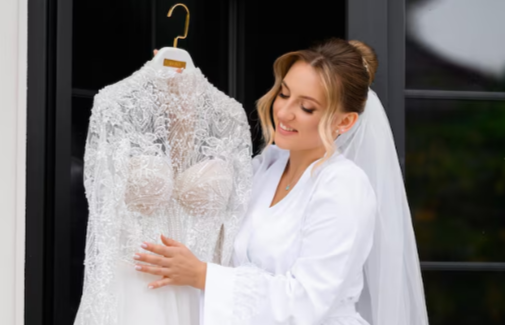
Selecting the perfect bridal gown is often the most emotional and significant decision in wedding planning. It’s more than just a dress; it’s a reflection of personal style, wedding theme, and the culmination of a lifelong dream.
The vast array of silhouettes, fabrics, and embellishments available can feel overwhelming, making a strategic approach essential.
The goal is to find a gown that not only looks stunning in photos but also makes the bride feel comfortable, confident, and utterly herself on one of the most important days of her life.
By breaking down the process into manageable considerations, the journey to finding the ideal bridal gown can be joyous and rewarding.
1. Define Your Silhouette Based on Body Type and Comfort
The silhouette of a bridal gown dramatically impacts how you look and feel. Before trying on hundreds of dresses, research the main styles: A-line, ballgown, sheath, mermaid, and trumpet. An A-line is universally flattering, while a ballgown offers dramatic volume.
A sheath dress works well on slender frames, and mermaid styles emphasize curves. Critically, consider comfort. If you plan to dance all night, a restrictive mermaid cut might be less practical than a flowing A-line or ballgown. Choose the shape that complements your figure and suits your movement needs.
2. Match the Gown to the Venue and Season
The location and time of year should influence the fabric and formality of your bridal gown. For a formal ballroom wedding, heavier fabrics like silk satin or Mikado are appropriate, often paired with extensive beadwork.
A beach or destination wedding calls for lighter, more breathable fabrics such as chiffon, organza, or simple crepe. Similarly, the season dictates sleeves and layering: long sleeves or heavier lace for a winter ceremony, and light fabrics or simple spaghetti straps for a summer outdoor event.
See also: Proven Strategies for Small Business Success
3. Establish a Realistic Budget Early On
The cost of a wedding dress encompasses more than just the initial price tag. Establish a firm budget that includes the gown, necessary alterations (which can be substantial), veil, and any other accessories. Communicate this budget clearly to your stylist.
Trying on dresses far outside your price range can lead to disappointment. A skilled consultant can guide you towards beautiful options that meet your financial limits, ensuring a stress-free purchasing experience.
4. Schedule Appointments at the Right Time
Start shopping nine to twelve months before your wedding date. This allows ample time for the dress to be ordered, manufactured, and delivered, which can take six to eight months. More importantly, it provides a crucial two to three months for necessary alterations.
Rush orders are expensive and stressful. Schedule your first fittings when you are able to commit; buying too early might lead to regret if your taste changes.
5. Prioritize Fabric and Embellishment Quality
The quality of the fabric and the finesse of the embellishments distinguish a good dress from a great one. Examine the lace, beadwork, and embroidery up close. High-quality silk, French lace, or fine tulle drapes beautifully and feels comfortable against the skin.
If the dress includes beading, ensure the beads are securely attached. While aesthetics matter, choosing a durable, high-quality fabric ensures the gown maintains its structure and elegance throughout the long wedding day.